

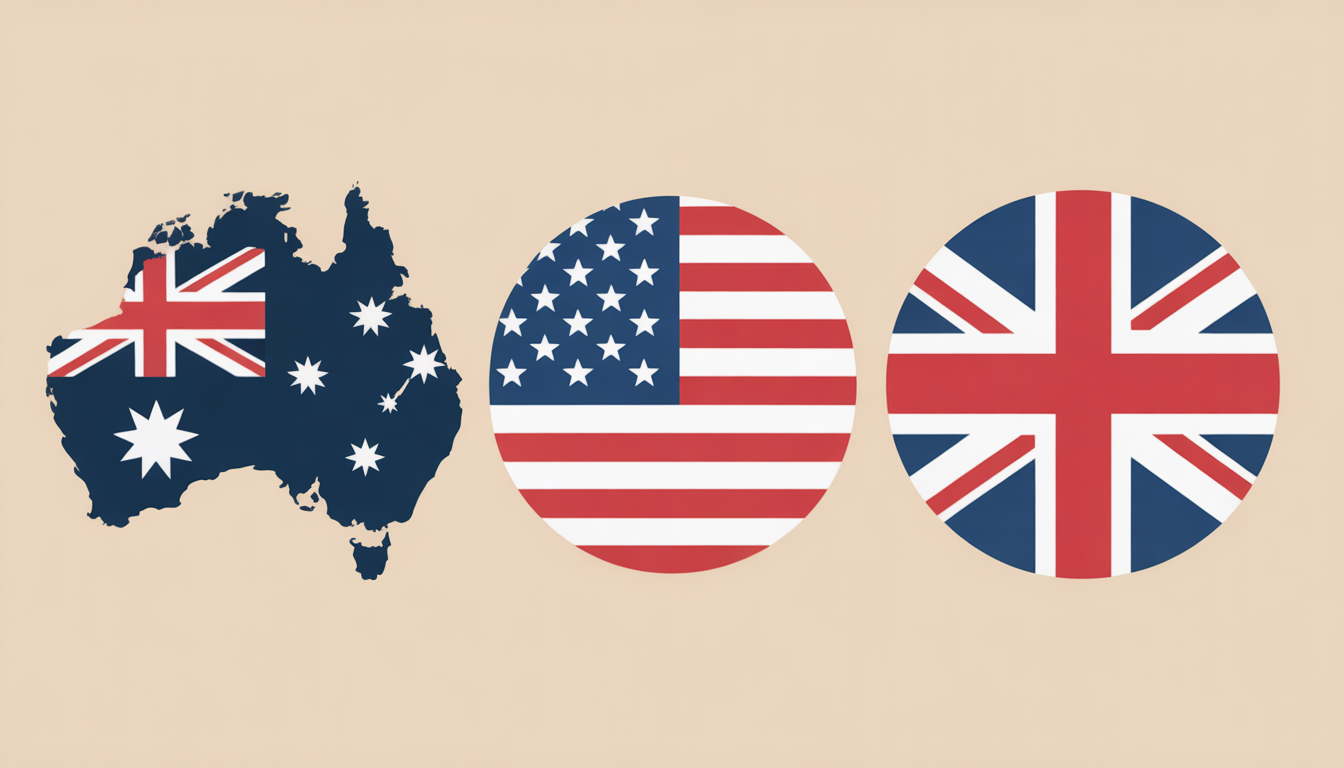
Health insurance — the phrase alone can make people nod politely and then immediately scroll away. But if you’ve ever ended up in a hospital, or needed a doctor for something more serious than a weird sneeze that won’t quit, you know it matters. In this article, we’re going to take a friendly, simple walk through health insurance in Australia (AU), the United States (USA), and the United Kingdom (UK). We’ll talk about costs, coverage, benefits, and throw in some humor to keep you awake (because, honestly, insurance can be boring if we’re not careful).
Let’s dive in!
Why Even Bother With Health Insurance?
Before comparing countries, let’s answer a basic question:
Why do people even care about health insurance?
Well, if you’ve ever looked at a medical bill, you know the answer: healthcare without insurance can be shockingly expensive. It’s like going to buy a snack and getting hit with a tuition bill instead.
Health insurance helps cover or reduce costs for things like:
- Doctor visits
- Hospital stays
- Prescriptions
- Surgeries
- Check-ups
Now let’s see how different countries handle this life-saver — with varying levels of confusion and chaos.
1. Health Insurance in Australia (AU)
Overview: Medicare + Private Insurance
Australia has a universal health system called Medicare. That means everyone pays taxes, and in return, the government helps cover a big chunk of health expenses.
But Australians also have private health insurance, which many choose to add on top of Medicare.
Imagine Medicare as the base model of a car — reliable, gets you most places. Private insurance is like the leather seats and sunroof you really want.
How Medicare Works (AU)
Medicare covers:
- Doctor visits (bulk-billed in many cases)
- Public hospital stays
- Some tests and scans
- Part of prescription costs
But not everything!
For example:
- Dental care (mostly not covered)
- Private hospital stays
- Physiotherapy or chiropractic visits
- Glasses and hearing aids
People sometimes joke that Medicare is like a buffet — you get the most important stuff, but if you want dessert (extras), you might need another ticket (private insurance).
Private Health Insurance (AU)
Private insurance is optional, but many Aussies get it because:
- It can reduce waiting times
- It lets you choose your doctor
- It may cover extra services like:
- Dental
- Optical
- Physiotherapy
- Chiropractic
Why Do People Get Private Insurance?
- To avoid long waits in public hospitals
- To get more choice
- Sometimes to save on taxes (government incentives exist!)
Costs in Australia
This table gives a basic picture:
| Insurance Type | Who Pays? | Typical Cost | What it Covers |
|---|---|---|---|
| Medicare | Taxpayers | Part of taxes | Basic healthcare |
| Private Insurance | Individual / Family | ~$100–$300+ per month* | Extras + private hospital |
*Costs vary widely based on age, coverage type, and insurer.
So, it’s like buying coffee — you can go for the basic filter brew (Medicare) or a fancy double-shot caramel macchiato with extra whip (private insurance).
Pros & Cons (AU)
👍 Pros
- Reliable universal coverage for all residents
- Doctors and hospital services are mostly covered
- Choice to upgrade with private insurance
👎 Cons
- Not everything is covered (hello, dental bill!)
- Private insurance can be pricey
- Some services still have waiting times
2. Health Insurance in the United States (USA)
Overview: A Mix of Private + Public Options
The USA has a… unique system.
It’s largely private insurance, meaning most people get health insurance from:
- Their employer
- A private company they buy themselves
There are also public programs like:
- Medicare (for people 65+)
- Medicaid (for low-income individuals/families)
Think of the US system as a large buffet with 47 types of pastries — but you have to pay for most of them, and some require you to ask a very confused waiter first.
How Private Insurance Works (USA)
Most Americans with health insurance get it through work. Employers pay part of the premium, and employees pay the rest.
Private insurance plans vary widely in:
- Cost
- Coverage
- Networks (which doctors you can see)
Some plans are great; some are… not so great. People often joke:
“Finding good health insurance in the US is like trying to find a matching sock in the dryer.”
Not wrong!
Public Programs in the USA
Medicare
For people over 65 or with certain disabilities.
Covers:
- Hospital costs
- Doctor visits
- Some medications
Not covered? Some things. Surprise!
Medicaid
For people with low income.
Covers many basic services, but the exact benefits can vary by state.
Costs in the USA
Here’s a simple breakdown:
| Insurance Type | Who Pays? | Typical Cost (Annual) | What it Covers |
|---|---|---|---|
| Employer-based Insurance | Employee + Employer | $3,000–$10,000+ per year* | Varies widely |
| Private Insurance | Individual | $5,000–$15,000+ per year* | Varies widely |
| Medicare | Taxpayers | ~$1,500+ per year* | Basic coverage |
| Medicaid | Government | Free or very low cost | Basic coverage |
*Very rough estimates; exact costs depend on age, plan, location, and health status.
So, health insurance in the US can cost more than a small car payment… on top of your actual car payment. Ouch.
Pros & Cons (USA)
👍 Pros
- Choice of many plans
- Often faster access to specialists
- Some employers cover a big part of the cost
👎 Cons
- Very expensive for many people
- Not everyone is covered
- Plans can be confusing and vary a LOT
3. Health Insurance in the United Kingdom (UK)
Overview: Mostly Government-Funded NHS
The UK has the National Health Service (NHS) — basically universal healthcare funded by taxes. If you live there and pay taxes, you get most basic healthcare for free at the point of use.
It’s like a giant subscription service that everyone shares — same price (your taxes), and most things are included.
The funny stereotype goes:
“In the UK, you get health care like you get tea — just served up, no questions asked.”
Okay, maybe that’s only funny to tea fans.
How the NHS Works (UK)
With the NHS:
- You register with a local doctor (GP)
- You get care when you need it
- Most hospital services are free
You can also buy private health insurance, but many people don’t because the NHS covers a lot.
People with private insurance might use it for:
- Faster access to specialists
- Private hospital rooms
- Services not always available immediately
But many Brits are like:
“Why pay for that when the NHS does the job?”
(Except when it doesn’t — we’ll come to that.)
Costs in the UK
| Insurance Type | Who Pays? | Typical Cost | What it Covers |
|---|---|---|---|
| NHS | Taxes | Included in tax rates | Most healthcare services |
| Private Insurance | Individual | ~$50–$200+ per month* | Faster service, extras |
*Estimates can vary widely based on plan.
So in the UK, your basic healthcare might feel like your phone service — you already bought it with taxes, so you just use it when needed.
Pros & Cons (UK)
👍 Pros
- Very broad coverage from the NHS
- Little to no direct cost at the point of service
- Private insurance is optional
👎 Cons
- Sometimes waiting times can be long
- Not always fastest for specialized care
- Extra services may need private insurance
Comparing Costs: AU vs USA vs UK
Let’s put it side by side:
| Aspect | Australia | USA | United Kingdom |
|---|---|---|---|
| Universal System? | Yes (Medicare) | No | Yes (NHS) |
| Private Insurance Popular? | Yes | Yes | Optional |
| Cost for Basic Care | Low (tax-based) | High (private pays a lot) | Low (tax-based) |
| Extra/Private Costs | Moderate | Very High | Moderate |
| Waiting Times for Care | Moderate | Usually low (private) | Sometimes long |
| Coverage for All Citizens? | Yes | Not automatically | Yes |
Simple Takeaways
- AU and UK both have universal systems funded by taxes, so basic healthcare is widely accessible.
- USA relies heavily on private insurance, and costs can skyrocket if you don’t have good coverage.
- Private insurance exists in all three countries, but in AU and UK it’s more of an upgrade, while in the US it’s often the main way people get insured.
Comparing Coverage: What You Get
Let’s look at some categories:
| Service | AU Medicare | US Private/Public | UK NHS |
|---|---|---|---|
| GP (Family Doctor) Visits | Covered | Covered (mostly) | Covered |
| Hospital Stay | Covered (public) | Covered (if insured) | Covered |
| Specialist Doctor | Covered (may need referral) | Covered (if in network) | Covered |
| Dental Care | Limited | Varies | Limited (but some services free) |
| Prescription Drugs | Partially covered | Varies | Mostly free/cheap |
| Physiotherapy | Not covered (private needed) | Varies | Sometimes |
| Vision & Dental Extras | Private needed | Often separate | Not usually covered |
Fun Comparison
- AU Medicare: Like basic streaming — gets you the essentials.
- US: Like paying for every channel à la carte — fun until the bill comes.
- UK NHS: Like one big buffet — mostly included, but dessert (extras) cost extra.
Who Pays What? A Quick Summary
Australia
- You pay taxes for Medicare
- You might pay private premiums
- Out‑of‑pocket costs are usually reasonable
United States
- You pay premiums (often with employer help)
- You pay deductibles and co‑pays
- Without insurance? You might pay thousands
United Kingdom
- You pay taxes for the NHS
- You could pay private premiums for extras
In short:
- AU & UK mix public funding with optional private support
- USA leans heavily on private funding
Real Life Examples (So It Makes Sense)
Example 1: A Broken Arm
Australia
You go to the hospital:
- Medicare covers major costs
- You might pay a small extra if you choose private care
USA
You go to the emergency room:
- If insured: insurance pays most, you pay deductible
- If not insured: big bill (yikes)
UK
You get treated through the NHS:
- Most treatment is free
- If you prefer private, you pay extra
Example 2: Visiting a Specialist
Australia
- Medicare covers referral visits
- Private can add quicker access
USA
- Depends on plan network and cost‑sharing
- Sometimes a referral is needed
UK
- NHS covers it, but wait times vary
- Private can speed things up
Which System Is “Better”? (Spoiler: It Depends)
People argue about this all the time — and there’s no perfect answer. Think of it like choosing between ice cream flavors. Vanilla, chocolate, and strawberry all have fans… and critics.
Let’s break it down:
Cost Comfort
- UK & AU systems are easier on the wallet for basic care
- USA can be expensive even with insurance
Speed & Choice
- USA private plans often mean faster access
- AU private insurance can help speed things up
- UK public services are great, but wait times sometimes stretch
Peace of Mind
- AU & UK give nearly all residents baseline coverage — less anxiety
- USA people sometimes worry about coverage gaps
Fun (And Totally Unscientific) Verdict
If health insurance countries were superheroes:
| Country | Superhero Name | Superpower |
|---|---|---|
| Australia | “MediMate” | Balanced coverage with optional extras |
| USA | “Premium Protector” | Lots of choice… if you can pay |
| UK | “NHS Guardian” | Strong universal safety net |
You might prefer:
- MediMate if you like security with option to upgrade
- Premium Protector if you want lots of customizable features
- NHS Guardian if you want reliable public care with minimal fuss
Final Thoughts
Health insurance might never be as exciting as your favorite show or chocolate cake, but it affects real lives — including yours. Understanding how different countries handle it helps you appreciate your own system and see what works (or doesn’t).
Here’s a quick wrap‑up:
- Australia: Solid universal system + private options
- USA: Private heavy, expensive, varies widely
- United Kingdom: Mostly covered by taxes + optional private




Leave a Reply