

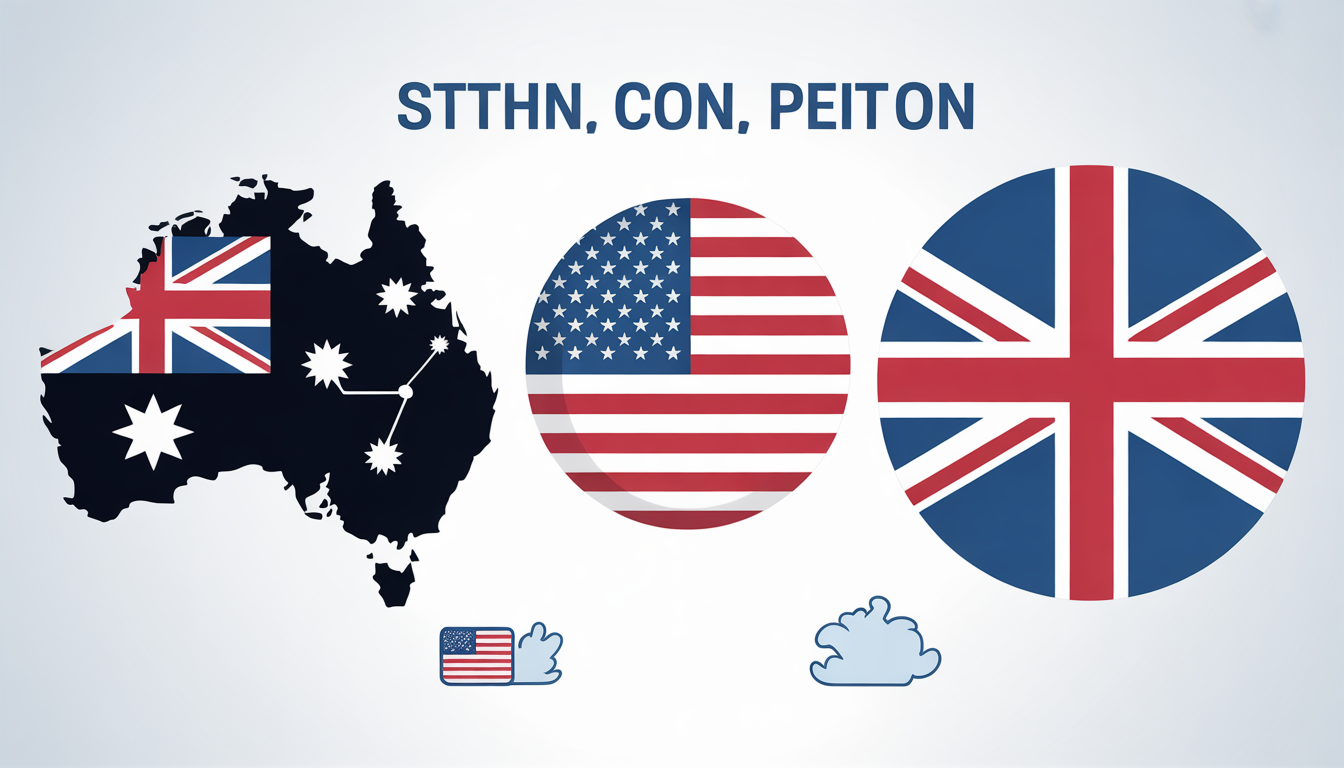
Investing can feel like trying to choose a favorite flavor of ice cream when you’re allergic to dairy — confusing, slightly scary, and potentially very rewarding if done right. Whether you’re from Australia, the United States, or the United Kingdom, understanding the best investment strategies for your country in 2026 can help you grow your wealth without losing sleep (or sanity). This article will break down the top strategies in each country, compare them side-by-side, and explain how you can start investing smartly — with a dash of fun along the way!
Introduction: Why Compare Australia, USA, and UK?
Investing isn’t one-size-fits-all. Different countries have different markets, rules, tax systems, and even cultural attitudes toward money. For example, Australians love property almost as much as they love barbecues. Americans are masters of stock market buzzwords. And Brits? Well, they make investing sound very polite and refined — like sipping tea with dividends.
In 2026, each of these countries has evolved their investment landscapes. There’s no perfect strategy that works everywhere, but understanding how strategies differ can help you make smarter choices — whether you’re investing locally or globally.
How Investment Strategies Differ by Country
To get started, here’s a simple comparison of the major investment focuses in Australia, the USA, and the UK:
| Aspect of Investing | Australia (2026 Focus) | USA (2026 Focus) | UK (2026 Focus) |
|---|---|---|---|
| Stock Market Growth | Steady, resource-driven | Fast, tech-heavy | Moderate, financial & green |
| Real Estate | Strong but cooling | Varied by state | Growing in suburbs |
| Retirement Accounts | Superannuation | 401(k) & IRAs | SIPPs & ISAs |
| Tax Efficiency | Moderate | High benefit in accounts | Generous ISA benefits |
| Best for Beginners | Super funds & ETFs | Index funds & tech stocks | ISAs & bonds |
Understanding Investment Basics (Like a Human, Not a Robot)
Before we compare countries, let’s cover a few basic investing concepts. Don’t worry — no Wall Street jargon that makes your eyes glaze over!
1. Stocks & Shares
Buying a stock means you own a tiny piece of a company. If the company does well, your stock usually goes up — and if it doesn’t, well … it might not be as fun.
2. Bonds
These are like lending money to governments or companies. They pay interest over time. Think of bonds as that reliable friend who always shows up on time.
3. Exchange-Traded Funds (ETFs)
These are baskets of stocks or bonds bundled together — like a mixtape of investments.
4. Real Estate
This means property — houses, apartments, commercial buildings. Investing in property can be awesome but sometimes feels like managing a baby dragon. Rewarding, but a bit fiery.
5. Retirement Accounts
Different countries have different tax-advantaged accounts to help people save for retirement — like Superannuation in Australia, 401(k) in the USA, and ISA in the UK.
Investment Strategies in Australia (2026)
Australia’s investment scene in 2026 is pretty friendly to both beginners and experienced investors. The economy continues to be supported by strong natural resources, stable banking, and growing tech and healthcare sectors.
1. Superannuation: Your Most Powerful Ally
If you’re in Australia, Superannuation (or “Super” for short) is like your financial guardian angel.
- What is it?
A retirement savings system where your employer contributes money for you. - Why it’s great in 2026:
Super funds have been performing steadily with diversified portfolios — meaning they mix stocks, bonds, and property. - Strategy tip:
Choose a balanced or growth fund early. Your money compounds over time — like snowballing interest that gets bigger and bigger.
💡 Humorous thought: Your Super savings grow quietly behind the scenes, unlike your funny uncle at family dinners.
2. ETFs (Exchange-Traded Funds)
Australians love ETFs because they’re simple and low-cost.
- Great way to invest in markets without choosing individual stocks.
- Look for ETFs covering ASX top 200, global markets, and emerging tech.
💡 Fun fact: ETFs are like picking a pizza with every topping — you get a little bit of everything without making decisions about olives (no offense olives).
3. Property in Australia
Property has been a long-time favorite for Aussies, though it’s cooled a bit.
- Major cities (Sydney, Melbourne) had strong price growth but also high prices.
- Regional and emerging suburbs now show investment potential.
Property pros:
- Can provide rental income
- Long-term value growth
Property cons:
- Requires active management
- Can be expensive to buy and maintain
💡 Cheeky thought: If houses had gym memberships, Australians would have them all — but remember, investment property requires work, not just admiration.
4. Dividend Stocks
Australia has many companies that pay dividends — regular payouts to shareholders.
- Banks and resource companies often pay solid dividends.
- Reinvesting dividends can boost long-term returns.
💡 Humor alert: Dividends are like getting paid for owning part of a company — basically money trees!
Top Strategies for Aussie Investors
- Maximize Super contributions (especially if you’re young — time is your friend).
- Invest in diversified ETFs (global and Australian).
- Consider dividend-paying stocks for income.
- Explore property in growth areas.
Investment Strategies in the United States (2026)
The USA has the world’s largest stock market and remains a favorite for both domestic and international investors.
1. Index Funds: The Classic American Favorite
Index funds are like the chill grandparent of investing: steady, wise, and dependable.
- They track major indexes like the S&P 500.
- Low costs and broad diversification make them perfect for long-term growth.
- Historically, they’ve outperformed many actively managed funds.
💡 Funny comparison: Index funds are the investment equivalent of vanilla ice cream — simple, classic, and surprisingly satisfying.
2. Tech Stocks (With Caution)
The U.S. has some of the biggest tech companies in the world. These can bring growth — but also risk.
- Investing in tech requires patience and tolerance for ups and downs.
- It’s better to have tech in a diversified portfolio rather than “all eggs in one Silicon Valley basket.”
💡 Cautionary joke: Tech stocks are like roller coasters — thrilling, but sometimes you scream.
3. Retirement Accounts: 401(k), Roth IRA
The U.S. offers excellent tax-advantaged accounts:
401(k):
- Often includes employer match — free money!
- Contributions reduce taxable income.
Roth IRA:
- Contribute post-tax money.
- Withdraw tax-free in retirement.
💡 Fun analogy: These accounts are like secret treasure chests — the earlier you start, the more gold you collect.
4. Real Estate: Varied by Region
In the USA, real estate is huge — but very regional.
- Some cities have booming markets (think Austin, Miami at times).
- Others are stronger for rental income.
- Always research local trends before buying.
💡 Humorous note: If U.S. cities were pizza, each one would have its own cheesy delight — but not every slice tastes the same.
5. Bonds & Fixed Income
Bonds offer stability, especially when the market gets shaky.
- U.S. Treasury bonds are considered safe.
- Good for balancing riskier stocks.
💡 Analogy: Bonds are like comfy sweatpants — not always exciting, but super comforting.
Investment Strategies in the United Kingdom (2026)
The UK combines traditional investing with unique tax advantages, making it a popular choice for both local and international investors.
1. ISAs (Individual Savings Accounts)
ISAs are loved because they shelter your gains from taxes!
- You can invest in stocks, cash, or funds inside an ISA.
- Any dividends, interest, or gains are tax-free.
💡 Fun thought: If ISAs were a pet, they’d be that fluffy bunny that’s just too cute and saves you money!
2. SIPPs (Self-Invested Personal Pensions)
These are flexible retirement accounts with tax relief.
- Grow your pension savings with tax benefits.
- You control investment choices.
💡 Note: These are best for long-term planning, not quick wins.
3. UK Stocks and Dividend Investing
London Stock Exchange hosts a mix of financial, industrial, and commodity-related companies.
- Dividend-paying companies are popular.
- A diversified approach is key.
💡 Humorous twist: U.K. dividends are like polite tea invites — consistent and appreciated!
4. Real Estate: From London to the Countryside
Property in London has historically been pricey, while regional areas can offer more value.
- Rental properties in university towns or commuter areas are often good investments.
- Commercial property also has potential — but do your homework!
💡 Cheeky idea: Investing in UK property is like tea with biscuits — classic, but know what you’re dunking.
5. Bonds & Gilts
UK government bonds (called gilts) offer lower risk with steady returns.
- Ideal for risk-averse investors.
- Helps balance a portfolio.
💡 Analogy: Gilts are like marmalade — not everyone’s favorite, but steady and solid.
Side‑by‑Side Comparison: Australia vs USA vs UK (2026)
Let’s look at a concise comparison so you can see the big differences clearly.
| Feature | Australia | USA | UK |
|---|---|---|---|
| Best for Retirement Savings | Superannuation | 401(k) & Roth IRA | ISAs & SIPPs |
| Stock Market Style | Stable, resources & financials | Large, tech-focused | Moderate, financial & mixed |
| Taxes on Investments | Moderate | Efficient with accounts | Very friendly in ISAs |
| Real Estate Opportunity | Cooling but strong | Regional variety | Value outside big cities |
| Risk Level | Moderate | Depends on tech exposure | Conservative to moderate |
General Investment Tips for 2026 (No Matter Where You Are)
No matter which country you’re investing in, some universal principles help increase your chances of success.
1. Diversify, Diversify, Diversify
Don’t put all your eggs in one basket — unless that basket is made of gold and unicorn hair (still not recommended).
Having a mix of stocks, bonds, real estate, and other assets protects you when one part of the market is down.
2. Start Early and Be Consistent
Time isn’t just money — it’s compound interest’s best friend.
- Even small contributions can grow big over decades.
- Being consistent is better than trying to time the market.
💡 Humorous note: You can’t control the market, but you can control your savings habits — and that’s powerful.
3. Understand Risk Tolerance
Some investments go up fast … and down faster than your mood when someone eats your leftovers.
- High risk = high potential reward but also stress.
- Low risk = steadier, calmer investments.
Pick what works for your personality and goals.
4. Watch Fees and Taxes
Fees can eat returns like a hungry kangaroo at a buffet. Always understand:
- Fund fees
- Transaction costs
- Tax implications
Use tax-efficient accounts when available.
5. Educate Yourself (and Laugh a Little) Along the Way
Investing doesn’t have to be boring.
- Read books, follow market blogs, learn basics.
- Don’t be afraid to ask questions.
- Have fun — but don’t gamble your future.
💡 Humorous advice: If investing feels like rocket science, just remember — even astronauts use checklists.
Simple Strategy Examples for Each Country
Here’s a sample strategy for a beginner investor in each country — simple and sensible:
Australia — Beginner Strategy
- Use Superannuation to build base retirement savings.
- Invest 40% in diversified ETFs (both AUS & global).
- 30% in dividend-paying Australian stocks.
- 20% in bonds or conservative funds.
- 10% in property-focused ETFs or REITs.
USA — Beginner Strategy
- Max out contributions to 401(k) or IRA.
- 50% in index funds (e.g., S&P 500).
- 20% in tech and growth stocks (cautious).
- 20% in bonds.
- 10% in real estate or REITs.
UK — Beginner Strategy
- Fill ISA allowance with diversified funds.
- 40% in UK stocks & international stocks.
- 30% in bonds/gilts.
- 20% in property (REITs or rental if ready).
- 10% in cash or short-term savings.
Risks to Be Aware Of in 2026
Every investment comes with risks, so let’s be real (and keep the humor light).
Market Volatility
Markets go up and down — sometimes like a bouncy castle in a storm. Stay calm and focus on long‑term goals.
Economic Changes
Inflation, interest rates, and global events can impact returns. Keep up with reliable financial news.
Personal Mistakes
Investing based on rumors, emotional buying, or panic selling can hurt returns. Have a plan and stick to it.
💡 Humorous analogy: Investing based on a hot tip is like deciding to become a ninja because you saw one movie — thrilling, but questionable.
Conclusion: Choose What Fits You in 2026
There’s no single “best” investment strategy for everyone — but there are smart approaches for each country:
- Australia: Use Super, diversify with ETFs, consider dividends and property.
- USA: Embrace index funds, tax‑advantaged accounts, and tech exposure with caution.
- UK: Take advantage of ISAs, build balanced portfolios, and use SIPPs for long‑term retirement savings.





Leave a Reply