

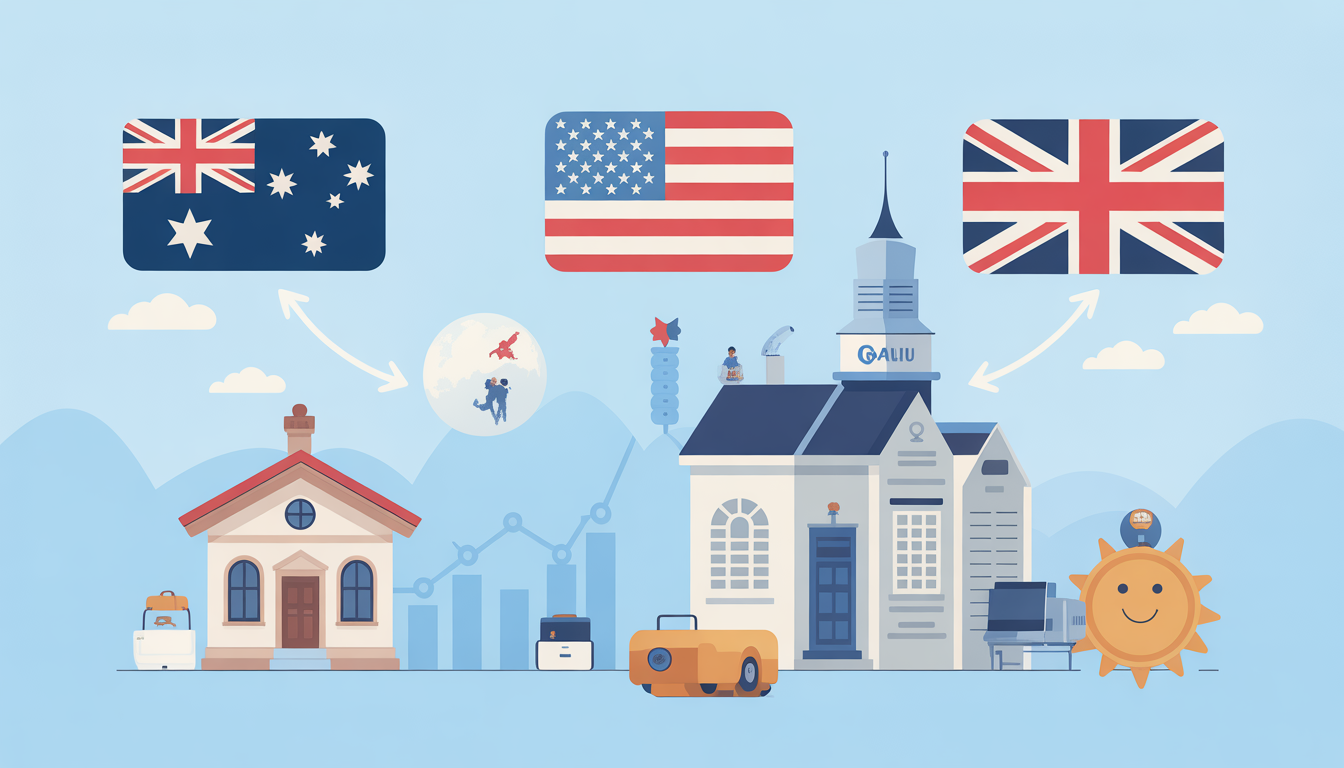
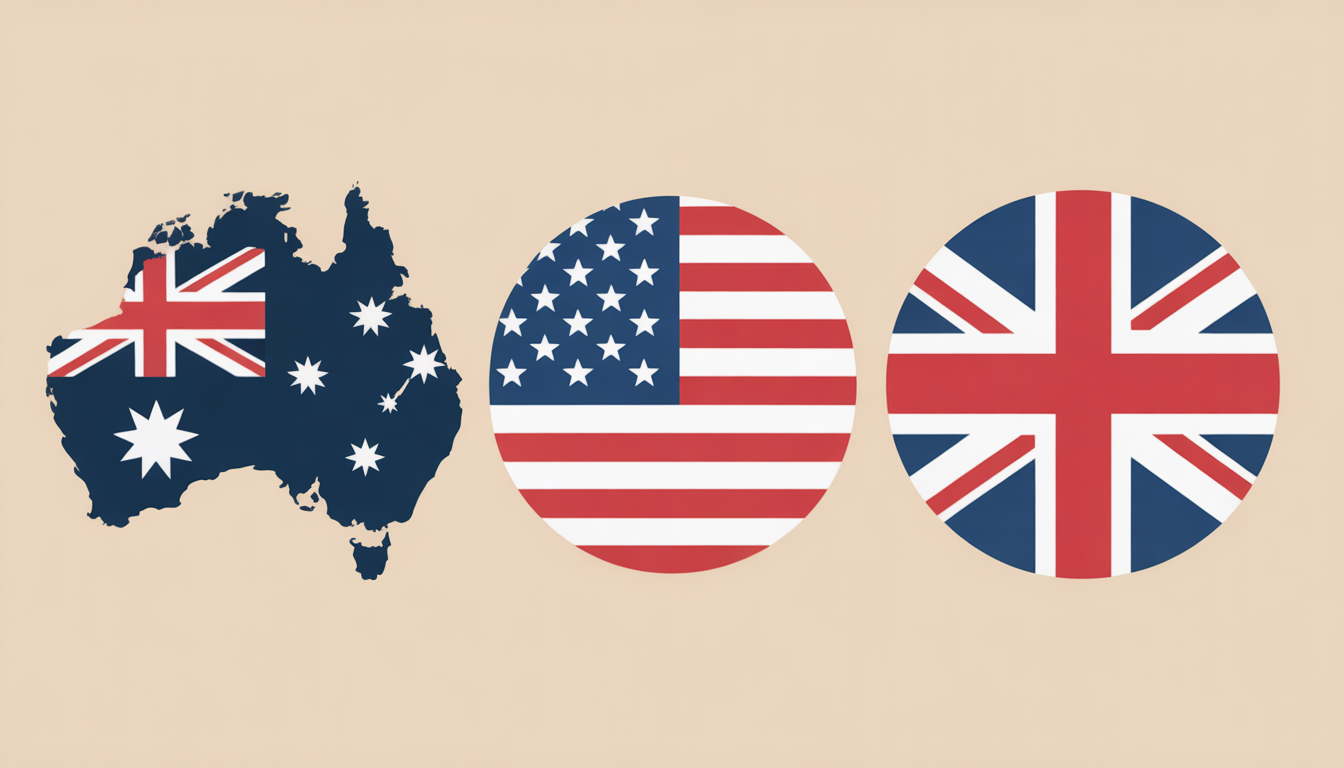
Insurance. Just the word can make anyone’s eyes glaze over like a donut. But whether you’re a responsible adult, a freelancer living on instant noodles, or someone who still thinks a smoke detector is “just decorative,” understanding insurance is crucial. Buying insurance without knowing the system is like skydiving with duct tape instead of a parachute. So, let’s break it down in simple terms, country by country, and find out how Australia (AU), the United States (USA), and the United Kingdom (UK) handle this magical world of premiums, claims, and policies.
1. The Basics: What Insurance Actually Is
Before diving into the specifics of each country, let’s quickly define insurance in a way that doesn’t sound like a lawyer wrote it.
Insurance is basically a bet you place with a company: “Hey, I promise to pay you a bit of money regularly, and if life throws a wrench at me—like a car crash, a house fire, or my cat deciding to redecorate the living room—you cover the cost.”
Simple, right? There are three main types of insurance you’re likely to encounter:
- Health Insurance – Covers medical bills.
- Life Insurance – Pays money to your loved ones if you bite the dust.
- Property & Casualty Insurance – Protects your stuff, like your car, home, or even that rare collection of Funky Sock memorabilia.
Now that we have that out of the way, let’s look at how these work in each country.
2. Australia’s Insurance System: The “Everything Is Kind of Mandatory” Country
Australians love rules almost as much as they love Vegemite (don’t ask me why). In the world of insurance, this means some types are compulsory, and others are optional but highly recommended.
2.1 Health Insurance in Australia
Australia has a mixed system: public and private health insurance.
- Medicare: This is the government-run healthcare system. Most Australians pay a tax called the Medicare Levy (around 2% of their income). This covers basic hospital treatment, doctor visits, and some prescription drugs. Think of it as a “you’re not totally alone if life punches you” plan.
- Private Health Insurance: Optional, but many Aussies get it to skip hospital waiting lines, get private rooms, and sometimes even cover dental, physio, or that mysterious “wellness massage” expense.
Pro tip: The government even gives you a rebate for private health insurance, because apparently, Australians are too nice to let insurance companies win alone.
2.2 Property & Casualty Insurance
- Car Insurance: Third-party insurance is mandatory if you own a car. Comprehensive insurance is optional but recommended—unless you like the idea of paying for accidents with your life savings.
- Home Insurance: Optional but highly recommended. Australia has bushfires, floods, and kangaroos that sometimes play dodgeball with roofs (okay, maybe not the kangaroo part).
2.3 Life Insurance
Life insurance is optional but usually bundled with superannuation (the Aussie retirement fund). This makes sure if you shuffle off this mortal coil, your family doesn’t end up selling Vegemite jars on the street.
Fun fact: Australians also have income protection insurance. Basically, if you get sick or injured and can’t work, you can still get some money. Think of it as “Netflix subscription for humans who can’t work.”
3. USA Insurance System: The Land of Choice (and Confusion)
The USA is like a buffet when it comes to insurance: there are so many options that you might leave with indigestion—or just confused.
3.1 Health Insurance
Unlike Australia, the US doesn’t have universal healthcare (unless you count Medicare for seniors and Medicaid for low-income folks). Most health insurance is private, usually through employers.
- Employer-Sponsored Insurance: This is the main route. Companies pay part of the premium; you pay the rest. Great deal if your employer’s generous; terrible if they’re not.
- Obamacare / ACA Plans: For those without employer insurance, the Affordable Care Act marketplace offers options with subsidies. This is where the government says, “We’ll help a bit, but not too much, don’t get too comfy.”
Funny but true: Many Americans describe picking a health insurance plan like solving a Rubik’s cube blindfolded.
3.2 Property & Casualty Insurance
- Car Insurance: Mandatory in almost all states. Some states require only liability, others recommend comprehensive coverage. Driving without insurance can get you a ticket that’s basically the adult version of being sent to the principal’s office.
- Home Insurance: Usually required if you have a mortgage. Flood and earthquake insurance are separate, because apparently disasters like to throw surprise parties.
3.3 Life Insurance
- Optional but popular. Term life insurance is common because it’s cheaper and straightforward: you pay for a term, they pay your family if you die.
3.4 Other Weird US Insurance
- Pet Insurance: Surprisingly popular. Americans love their pets more than taxes.
- Umbrella Insurance: Extra liability coverage that kicks in when normal insurance is like, “Sorry, not enough.”
4. UK Insurance System: The NHS and the “Everything Else Is Optional” Policy
The UK has a system that makes some things worry-free and others… well, optional.
4.1 Health Insurance
The NHS (National Health Service) covers almost everything. Doctor visits? Free. Hospital treatment? Free. Feeling a bit dizzy because you binge-watched scary movies? Free (probably).
- Private health insurance exists but is usually used for faster access, elective procedures, or avoiding hospital waiting lists.
4.2 Property & Casualty Insurance
- Car Insurance: Compulsory. Driving without it? You might as well be riding a unicorn in the middle of London traffic.
- Home Insurance: Optional but recommended. Many landlords require it.
4.3 Life Insurance
- Optional. Commonly used to pay off mortgages if you die or to leave money for loved ones.
Interesting tidbit: The UK also has “critical illness insurance,” which pays out if you get a severe illness. It’s like a superhero sidekick for your bank account.
5. Comparing Insurance Systems: AU vs USA vs UK
It’s easier to see the differences in a table. Let’s summarize:
| Type of Insurance | Australia (AU) | United States (USA) | United Kingdom (UK) |
|---|---|---|---|
| Health | Medicare (public) + optional private | Mostly private, ACA options, employer plans | NHS (public) + optional private |
| Car Insurance | Third-party mandatory, comprehensive optional | Liability mandatory, comprehensive optional | Mandatory |
| Home Insurance | Optional, highly recommended | Often required for mortgages | Optional, recommended |
| Life Insurance | Optional, often bundled with superannuation | Optional, term or whole life | Optional, common for mortgages |
| Other Notable Insurance | Income protection | Pet insurance, umbrella insurance | Critical illness insurance |
6. Things to Know Before Buying Insurance
Insurance isn’t one-size-fits-all. Before you buy, consider these tips:
6.1 Know What’s Mandatory
- In Australia, car insurance is mandatory.
- In the USA, most states require liability insurance for vehicles.
- In the UK, car insurance is mandatory.
6.2 Understand Your Coverage
- Always read the fine print. Some policies are like a mysterious Hogwarts spell—you never know what’s covered until it’s too late.
6.3 Compare Premiums
- Don’t just go with the first company. Use comparison websites, get quotes, and maybe even bribe a friend for advice (just kidding, don’t bribe anyone).
6.4 Check the Claims Process
- Some insurers are fast, others are like molasses in winter. Make sure you know how to claim before disaster strikes.
6.5 Look for Bundles
- Many insurers offer discounts if you combine car, home, or life insurance. It’s like a happy meal but with less sugar.
7. Common Mistakes to Avoid
Buying insurance can be tricky. Avoid these rookie mistakes:
- Buying Too Little – “I’ll just get the cheap one” rarely works when your car gets crushed by a rogue kangaroo… or a truck.
- Ignoring the Excess – That’s the money you pay before insurance kicks in. Too high, and you’re basically self-insuring.
- Assuming Everything Is Covered – Natural disasters, pandemics, alien invasions… check what’s actually included.
- Not Reviewing Policies Annually – Life changes, and so should your coverage.
8. Fun (But Practical) Tips
- Keep a folder (digital or physical) with all your policies. Searching for insurance info during an emergency is not a great time for a scavenger hunt.
- Use apps. Many insurers have apps that let you manage your policy, submit claims, or even check your premiums with a tap.
- Ask questions! If you’re confused, it’s better to sound silly now than regret it later.
9. Conclusion
Insurance might not be as exciting as a rollercoaster, but it’s way more important for your wallet (and sanity).
- Australia offers a mix of mandatory public health and optional private coverage.
- The USA is a wild ride of private health insurance, optional add-ons, and confusing plans.
- The UK provides mostly free healthcare via the NHS but has optional private coverage and extra policies for life, home, and critical illness.
No matter where you live, the key takeaway is simple: don’t buy insurance blindly. Know what’s mandatory, compare options, and read the fine print. That way, when life throws curveballs—whether it’s a bushfire, a car crash, or your cat redecorating your living room—you’re covered.




Leave a Reply